

More Than a Smash and Grab: The Hidden Cost of Vehicle Break-ins
Why Summer Vehicle Break-Ins Are on the Rise
Many car break-ins are committed by organized, transient criminal groups that move quickly from town to town. Rather than checking for unlocked doors, these groups frequently smash vehicle windows to gain fast access. Their goal is not the vehicle itself, but what is left inside. Bags, wallets, mail, and electronics are especially appealing because they often contain personal or financial information.
Locations where people expect to be away for long periods, such as trailheads, parks, and large events, are particularly vulnerable. Criminals know these areas provide both opportunity for theft and time before the crime is discovered.
The Real Cost: Identity Theft and Financial FraudWhat is often most damaging is not the broken glass, but the stolen personal information. Wallets, purses, credit cards, debit cards, identification, checkbooks, and paperwork with personal details can all be used for identity theft. In many cases, fraudulent activity can begin within hours of a vehicle break-in, creating long-term financial stress.
How to Reduce Your Risk of Car Break-Ins
While it is not possible to prevent every vehicle break-in, simple steps can reduce your risk. The most effective crime prevention strategy is to avoid leaving anything in your vehicle that could be valuable or contain personal information, even during short stops.
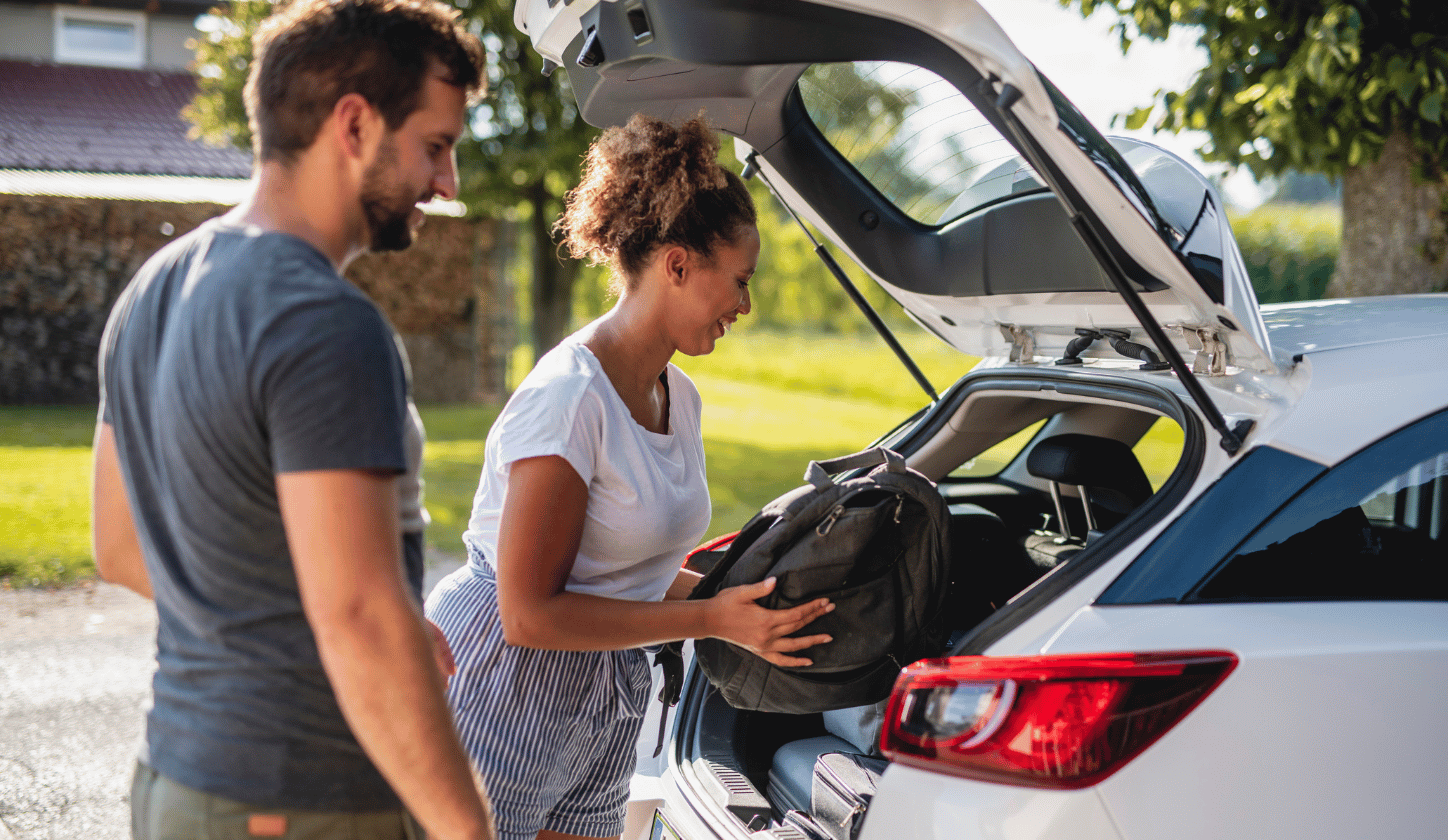
Whenever possible, park in well-lit areas and high-visibility locations. Avoid placing items in the trunk after you arrive, as this can draw attention and signal valuables inside the vehicle.
What to Do After a Vehicle Break-In
Notify banks, credit card companies, and other financial institutions right away if personal or financial items were stolen. Monitor accounts closely, change passwords, and consider fraud alerts or a credit freeze to protect yourself from further harm.
Staying informed and proactive is key to protecting both your property and your identity.